
Coins in the Gold Sovereigns Category
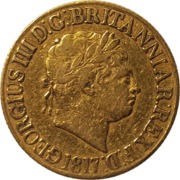 | George III (1760-1820) | |
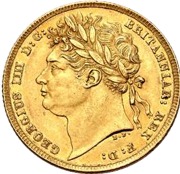 | George IV (1820-1830) | |
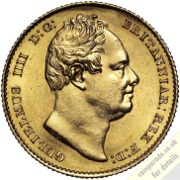 | William IV (1830-1837) | |
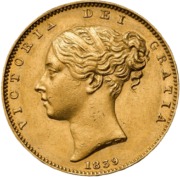 | Victoria (1837-1901) | |
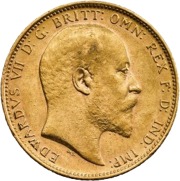 | Edward VII (1901-1910) | |
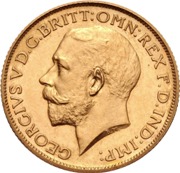 | George V (1910-1936) | |
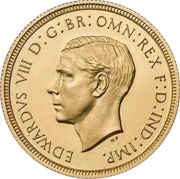 | Edward VIII (abdicated) (1936-1936) | |
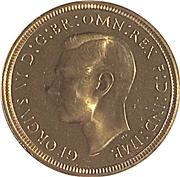 | George VI (1936-1952) | |
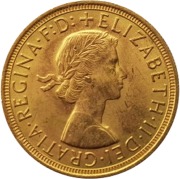 | Elizabeth II (1952-2022) | |
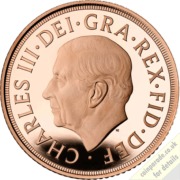 | Charles III (2022-Present) |
Which Gold Sovereigns to look for?
The lowest mintage Gold Sovereigns are:- 1937 Sovereign - Edward VIII Pattern (mintage: 6)
- 1831 Gold Sovereign Proof (mintage: 225)
- 1826 Gold Sovereign Proof (mintage: 450)
- 1908 Gold Sovereign Canada - Proof (mintage: 633)
- 2019 Gold Sovereign Proof Prince Albert mint mark (mintage: 650)
- 1923 Gold Sovereign Proof South Africa (mintage: 655)
- 1923 Gold Sovereign South Africa (mintage: 719)
- 1893 Gold Sovereign London - Proof (mintage: 773)
- 1887 Gold Sovereign Proof (mintage: 797)
- 2024 D-Day Gold Sovereign - Struck on 6 June 2024 - Helmet Privy Mark (mintage: 1,000)
These Gold Sovereigns are rare
- 1910 Gold Sovereign Melbourne - Proof (mintage: Rare)
How to collect Gold Sovereigns
The Gold Sovereign and is one of the most ubiquitous of all coins and much sought after by both coin collectors and bullion investors. Easy to buy and easy to sell. Sovereigns have been minted since 1817 (in Britain 1817-1917, 1925 and 1957 on). At coins fairs you often hear the dealers refer to these coins as 'Sovs'.More Information about Gold Sovereign coins for Collectors
The Gold Sovereign is one of the most ubiquitous of all coins and much sought after by both coin collectors and bullion investors. Sovereigns have been minted since 1817 (in Britain 1817-1917, 1925 and 1957 on). At coins fairs you often hear the dealers refer to these coins as Sovs.Besides being minted in Britain, Sovereigns have been made in Australia (Melbourne, Sydney, Perth), India (then Bombay, now Mumbai), Canada (Ottawa) and South Africa (Pretoria) although these regional mints have not made sovereigns since 1932 (although India has produced some recently in a private mint partnership with the Royal Mint). The non-British coins carry a small mintmark ('S','M','P','I','C' or 'SA') just above the date.
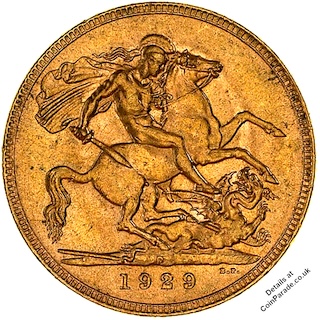
The Obverse is the Monarch's head and the Reverse is most often St George and the Dragon, although other backs have been used and are of interest to collectors. The Reverse often gives the Sovs a new term, like "ShieldBacks".
Specifications for the Gold Sovereign
- Weight: 7.9881g
- Diameter: 22.05 mm
- Thickness: 1.52 mm
- Purity: 22 carat = 91.67% (11/12ths gold, 1/12th copper. Adding copper makes the coin more scratch and dent resistant)
- Gold Content: 113 grains = 7.3224 g = 0.2354 troy ounce
- Face value: £1 (was 20 shillings)
History
Up until 1604 there was a coin called the English gold sovereign and in 1816 when there was the "Great Recoinage" the name was revived. At that time standard gold (22 carat) was valued at £46 14s 6d per troy pound; this meant a £1 coin needed to weigh 123.2744783 grains or 7.988030269 g. The weight is still the same today. For more details see Why Does a Gold Sovereign Weigh 7.98805 grams?
As a historical note: to maintain the Gold Standard, in 1816 the value of silver was set at 66 shillings for one troy pound and silver coins were only legal for denominations up to £2.
The first sovereigns carried the head of King George III and the famous George and the Dragon design by Benedetto Pistrucci (29 May 1783 – 16 September 1855), an Italian engraver who became chief medallist at the Royal Mint.
With high value coins such as the Gold Sovereign, collectors and bullion investors often worry about forgeries but actually gold coins are very difficult to forge due to gold's unique properties of density and colour. Gold is extremely dense and to use another metal and gold-plate it would result in a coin that is under-weight, over-diameter or half as thick, something that would be spotted very easily. More difficult to spot would be a bullion coin melted down and re-cast as a highly collectable date, but an expert can usually tell these too. You should always use reputable dealers.